
The History of The Hollywood
 1920s
1920s
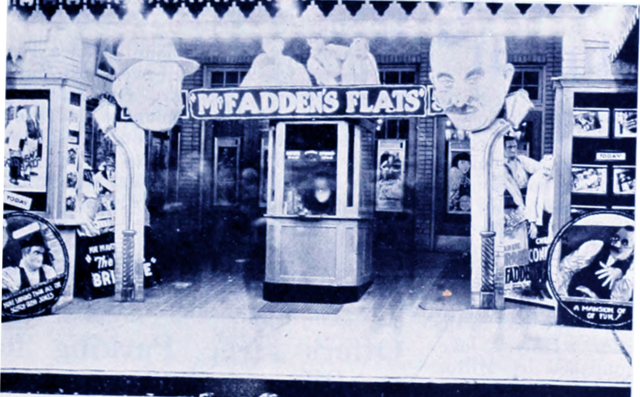
In September of 1926, The Hollywood Theater opened as a silent picture house on Potomac Avenue in the central business district of Dormont— located four miles south of the City of Pittsburgh.
The lavish atmospheric 700-seat auditorium was designed by Pittsburgh architect Charles R. Geisler and featured a courtyard interior, a balcony, and stars built into the ceiling. The tagline “Where the moon and stars shine” was used during its early years.
In addition to the auditorium, the building was also home to two store fronts and a bowling alley in the basement, sometimes referred to as “Murray’s Bowling & Billiards.”
1930s
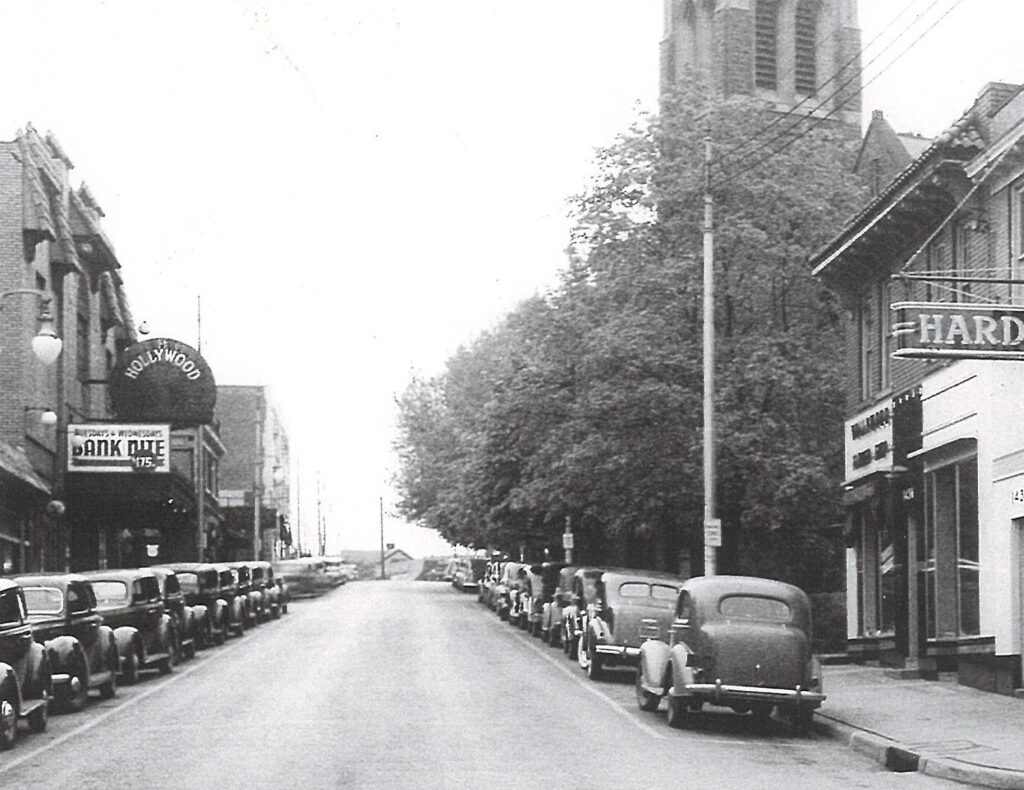
Warner Bros. Theatres, Inc. purchased the theater in June 1930 for $200,000 and renovated the theater 1934. The remodel included The Hollywood’s first screen (films had previously been projected on the back wall) and sound equipment to usher in the age of “talkies.”
1940s
The theater operated throughout the 1940s until spring of 1948 when it underwent another upgrade. The interior of the theater was completely removed except for the superstructure. Architect Victor A. Rigaumont designed the reconstruction which removed the store fronts and bowling alley, expanded seating of the auditorium, and removed the atmospheric effect in favor of a more modern style.
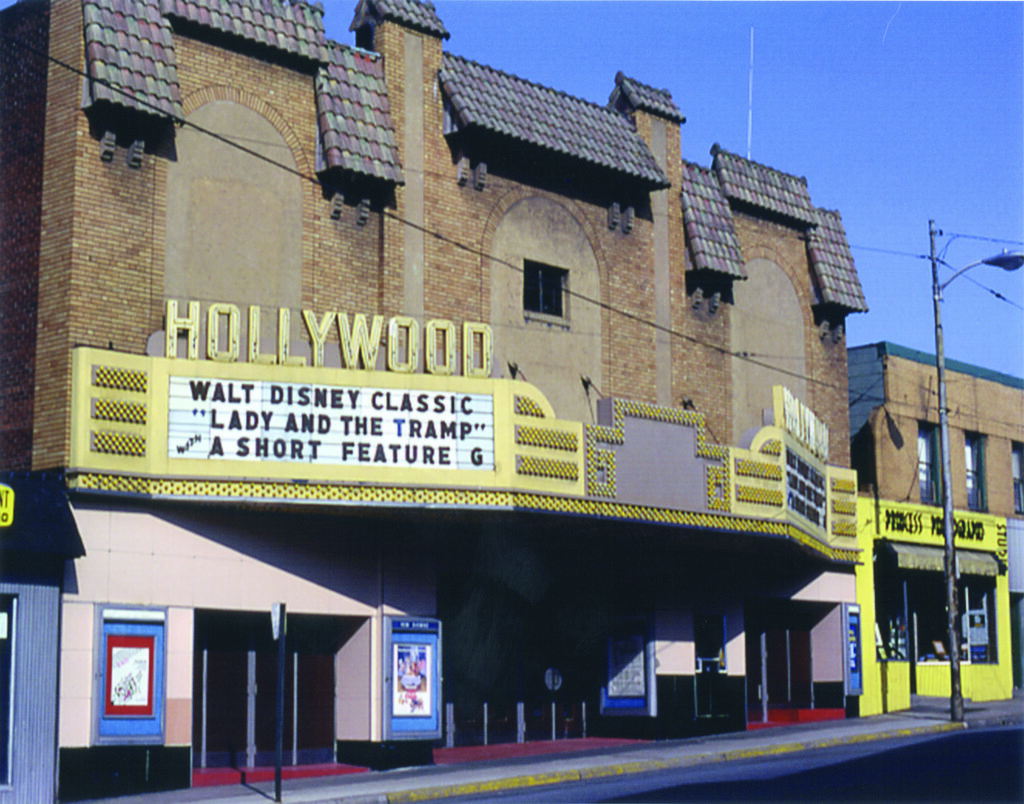
Seating capacity was expanded to over 1,000 and the original cast-iron marquee was replaced with an impressively lit Warner Bros. themed marquee. The building reopened in November 1948 with a showing of Hitchcock’s Rope.
1950s-1980s
The Hollywood remained open through the 1950s until another extensive remodeling
in 1966 when new seats (approximately 730), fabric, vinyl wallpaper, and a wider screen were installed.
In July 1982, Potomac Avenue was widened and the large Warner Bros. marquee was removed. After several years of financial struggle, the theater closed in 1988.
1990s and Early 2000s
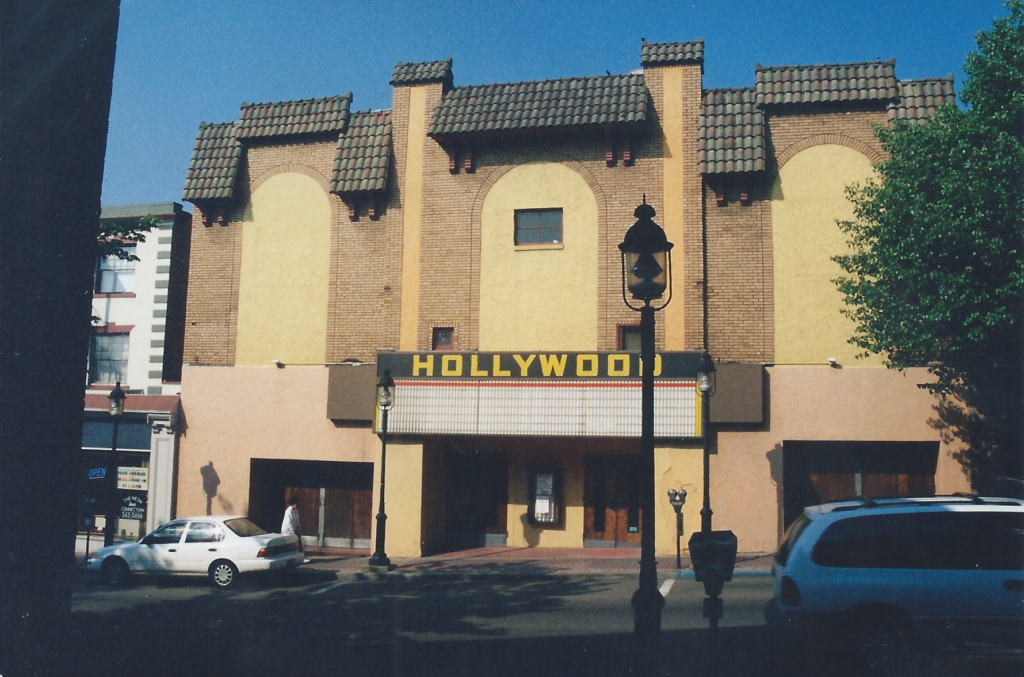
Throughout the 1990s and 2000s, the theater was owned and operated by several companies, nonprofits, and community groups —including The Theatre Historical Society of America — all working to keep Dormont’s beloved theater open.
In the early 1990s, the Junior Commerce Players of Pittsburgh made The Hollywood the official home of The Rocky Horror Picture Show in Pittsburgh.
After a 10-year closure from 1997-2
007, the theater underwent its previous renovation under the ownership of The Bradley Center in Mt. Lebanon.
The Hollywood gained national attention in 2011-2012 when it was featured as a filming location for The Perks of Being a Wallflower. The theater was closed at the time of filming, but the director Stephen Chbosky (who frequented the theater while growing up in nearby Mt. Lebanon) offered $5,000 to use the space. That money was used as seed funding start a nonprofit organization that reopened the theater.
2020s
Row House Cinemas – which operates a small single-screen theater in the Lawrenceville neighborhood of Pittsburgh – purchased The Hollywood in Summer 2023 after a multi-year search for a second location.
After a brief, three month trial period in Fall 2023, the theater was closed for a massive renovation.
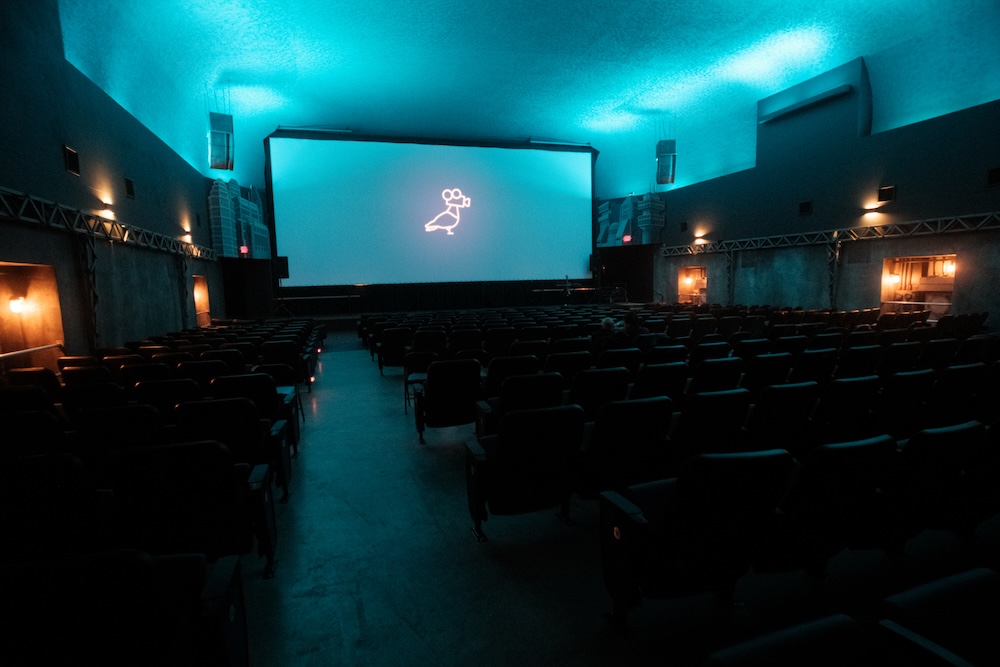
The original 1920s atmospheric style, featuring a curved ceiling and faux facades, was being restored — this time with a futuristic, scifi theme inspired by the 1927 film Metropolis.
In addition to the main theater renovation, a second screen and several karaoke rooms, and a pinball arcade are being installed in the basement level where the bowling alley once sat.
Row House worked with architects Rothschild and Doyno under the guidance of Row House Principal Brian Mendelssohn.